
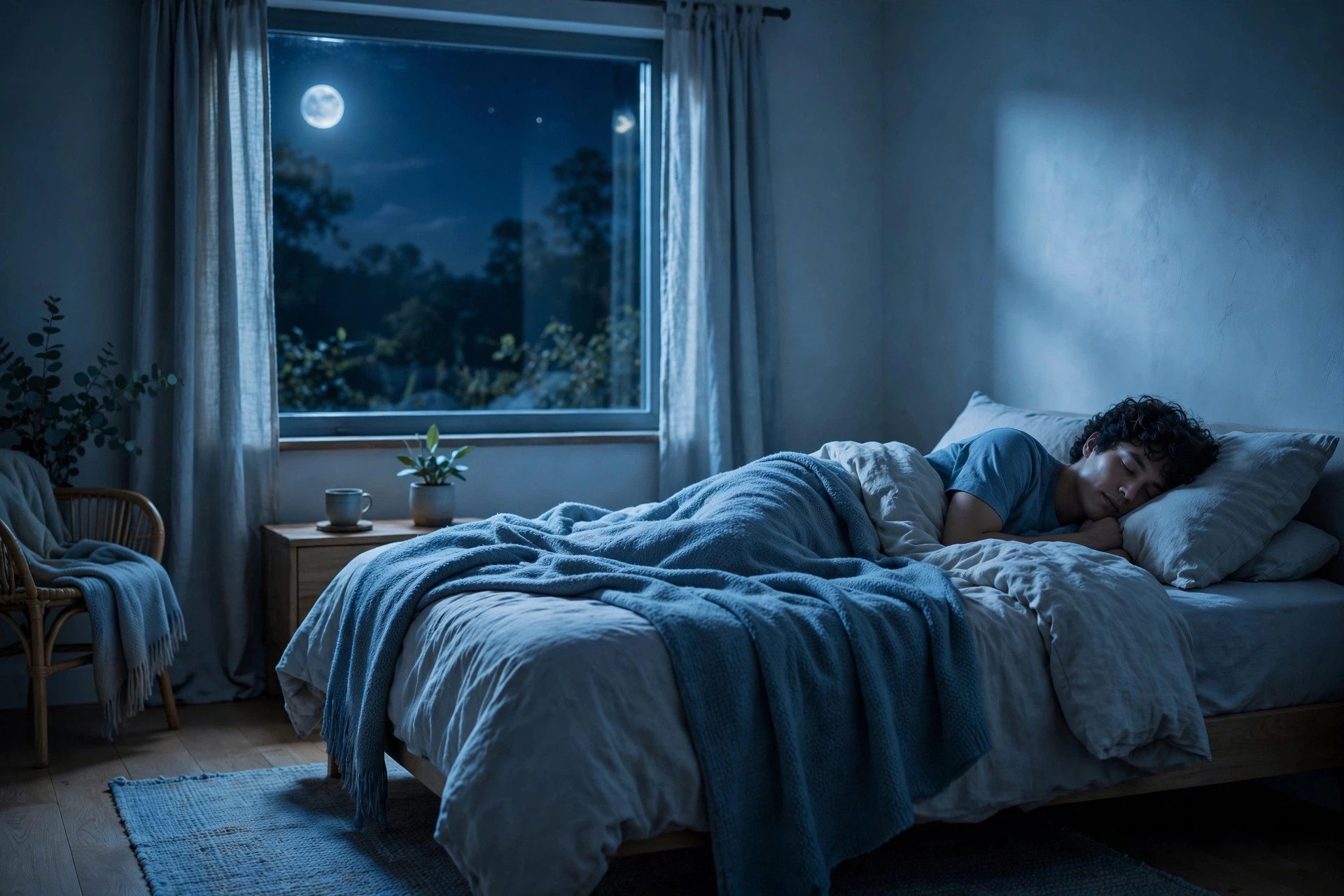
Why Sleep Matters More Than You Think
Sleep is not just downtime for your body — it is one of the most active and important processes in your day. While you sleep, your brain consolidates memories, clears out metabolic waste, regulates hormones, and strengthens your immune system. Adults who consistently get seven to nine hours of quality sleep tend to have better focus, steadier moods, healthier hearts, and stronger immune defenses than those who regularly fall short.
Chronic sleep loss is linked to weight gain, high blood pressure, weakened immunity, and poorer mental health. Yet a large share of adults report regularly sleeping fewer than seven hours a night. The good news is that better sleep is usually a matter of habits, not luck. Small, science-backed changes to your routine can make a dramatic difference in how quickly you fall asleep and how rested you feel in the morning.
Understanding Your Sleep Cycles
To sleep better, it helps to understand what happens once you close your eyes. Your brain cycles through several stages of sleep roughly every 90 minutes, alternating between lighter and deeper phases.
The stages of a night's sleep
- Light sleep (N1 and N2): The transition from wakefulness. Your muscles relax, breathing slows, and body temperature drops. This makes up about half of a typical night.
- Deep sleep (N3): The most restorative stage. Growth hormone is released, tissues repair, and the immune system gets a boost. It dominates the first half of the night.
- REM sleep: The dreaming stage. Your brain is highly active, processing emotions and consolidating learning. REM periods get longer toward morning.
Alcohol, caffeine, and late-night screen time all fragment these cycles — you may technically be "asleep" but spend less time in the deep and REM stages that matter most.
The Circadian Rhythm: Your Internal Clock
Your sleep is governed by the circadian rhythm, an internal clock that runs slightly longer than 24 hours and is reset each day by light exposure. Morning light tells your brain it is daytime, suppressing the sleep hormone melatonin; darkness in the evening signals it to rise.
This is why irregular bedtimes, shift work, and bright screens at night cause so much trouble — they confuse your clock. The single most powerful habit for better sleep is a consistent wake time, even on weekends. It anchors your rhythm and makes falling asleep at night almost automatic. Getting daylight exposure within an hour of waking reinforces the effect, which is especially valuable during dark winters. For a broader look at how daily habits support overall health, see our Health & Wellness section.
Science-Backed Tips That Actually Work
1. Keep a consistent schedule
Go to bed and wake up at roughly the same times every day, weekends included. Research consistently shows that sleep regularity predicts daytime energy and mood as strongly as sleep duration does. If you must adjust, shift bedtime by no more than 15–30 minutes at a time.
2. Get morning light
Bright light within the first hour after waking is the strongest signal for your circadian clock. Step outside for even ten minutes, or sit by a bright window. If natural light is scarce, a light therapy lamp of at least 10,000 lux works too.
3. Watch your caffeine window
Caffeine has a half-life of five to six hours, meaning an afternoon coffee is still half-present at bedtime. Most sleep researchers recommend a cutoff around noon to 2 p.m. Remember that tea, energy drinks, chocolate, and some medications also contain caffeine.
4. Build a wind-down routine
Your brain cannot switch from high alert to sleep in seconds. Give it 30–60 minutes: dim the lights, read a physical book, take a warm shower, stretch gently, or practice slow breathing. A warm shower is surprisingly effective — the drop in body temperature afterward mimics the natural cooling that triggers sleepiness.
5. Optimize your bedroom
Make your sleep environment cool (roughly 18–20°C / 65–68°F), dark, and quiet. Blackout curtains or an eye mask, earplugs or white noise, and a mattress that supports your sleeping position all help. Reserve the bed for sleep and intimacy only — working or scrolling in bed trains your brain to associate it with wakefulness.
6. Time your exercise right
Regular physical activity is one of the most reliable sleep aids, deepening slow-wave sleep. Aim for at least 150 minutes of moderate exercise per week. Vigorous workouts are fine during the day, but avoid intense exercise within two hours of bedtime, as it can raise core body temperature and alertness.
7. Be smart about naps
Short naps of 10–20 minutes in the early afternoon can refresh you without harming nighttime sleep. Longer or late-day naps reduce your sleep pressure and make falling asleep harder.
What to Do When You Cannot Sleep
Everyone has restless nights. If you cannot fall asleep within about 20–30 minutes, do not lie there tossing and turning — that builds a frustrating association between bed and wakefulness. Get up, go to a dimly lit room, and do something calm and non-stimulating (reading, gentle stretching) until you feel drowsy, then return to bed.
Avoid checking the clock repeatedly; clock-watching increases anxiety about being awake, which is the opposite of what you need. Techniques like slow diaphragmatic breathing or progressive muscle relaxation can also help calm an overactive mind.
A note on sleep aids: over-the-counter products like melatonin are not magic fixes and evidence for long-term use is limited. If you snore loudly, gasp for air at night, struggle with persistent insomnia for more than a few weeks, or feel excessively sleepy during the day, talk to a doctor or sleep specialist. Conditions such as sleep apnea and chronic insomnia respond well to professional treatment — including CBT-I, cognitive behavioral therapy for insomnia, which is the most effective long-term treatment available.
How Sleep Connects to Diet and Lifestyle
Sleep does not exist in isolation. Large, heavy meals close to bedtime can cause reflux and restless sleep, while going to bed very hungry can also keep you awake. A light snack containing protein or complex carbohydrates is fine if you need one. Chronic stress raises cortisol, which directly opposes melatonin — so stress management is sleep management.
It works in the other direction too: poor sleep increases hunger hormones, making you crave sugary, high-calorie foods the next day. This is one reason sleep and balanced nutrition go hand in hand — improving one makes the other easier. And as noted above, regular movement during the day pays off at night, so read about the benefits of regular exercise if you are building a full healthy-routine plan.
Putting It All Together
Better sleep is a system, not a single trick. Start with the two highest-impact habits — a consistent wake time and morning light — then layer in a wind-down routine, caffeine limits, and a cool dark bedroom. Give each change a week or two before judging it; your circadian rhythm needs time to adjust.
You do not need perfect sleep every night to be healthy. Aim for a steady routine most nights, treat occasional bad nights with calm acceptance rather than frustration, and seek professional help if sleep problems persist. This guide provides general wellness information, not medical advice — for personal concerns, consult a qualified healthcare professional.