
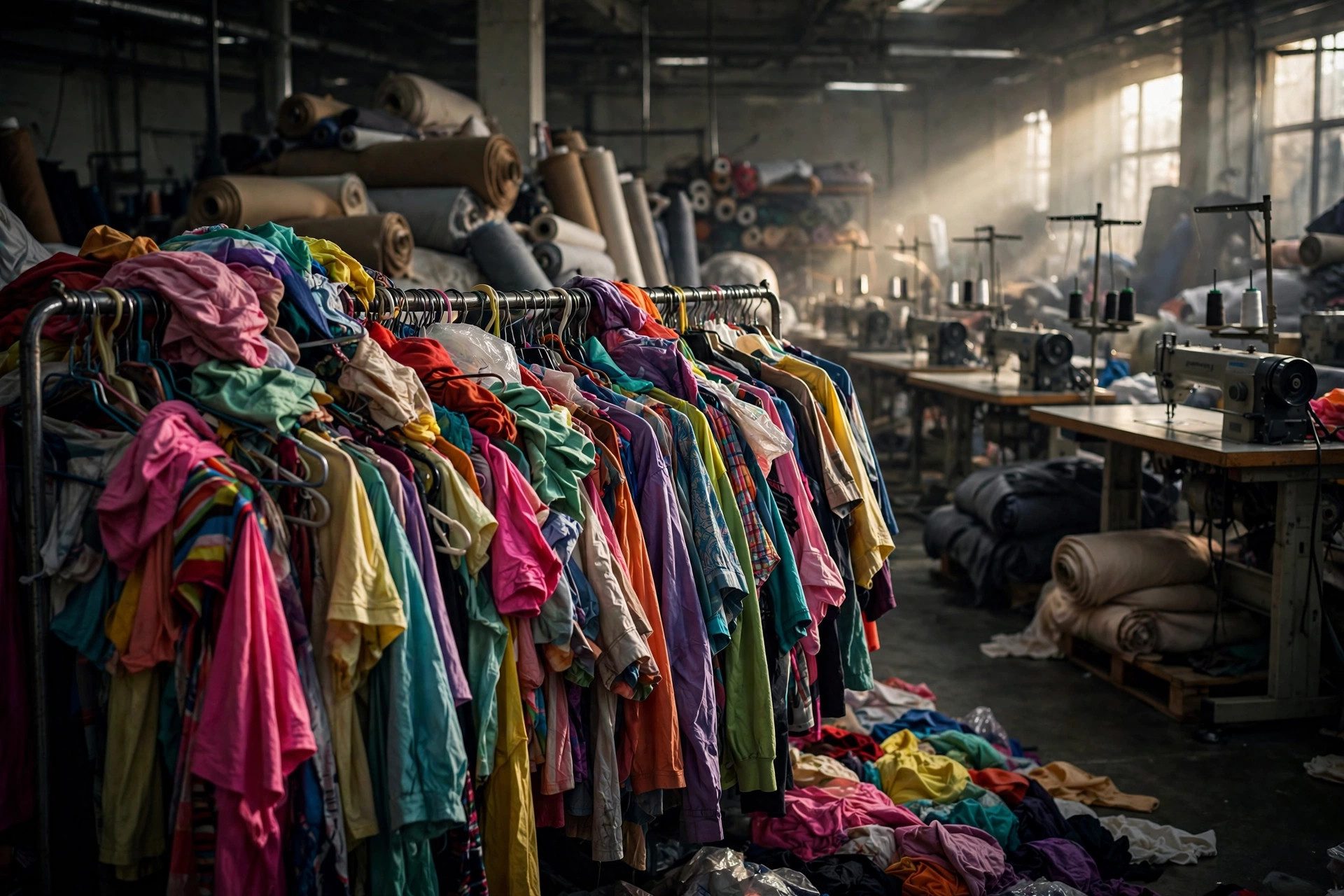
You have probably noticed how quickly clothing trends change. A style appears on social media on Monday, and by Friday, affordable versions of it hang in stores everywhere. This is fast fashion: a business model built on producing trendy, inexpensive clothing at breakneck speed. It has changed how the world dresses, but it has also created serious environmental and social problems. Understanding how fast fashion works is the first step toward making better choices about what you wear.
Whether you are curious about fashion trends or trying to shop more responsibly, this guide covers everything you need to know.
What Is Fast Fashion?
Fast fashion refers to the rapid design, production, and marketing of inexpensive clothing that copies the latest runway and celebrity styles. Traditional fashion operated on seasonal cycles, with designers releasing two main collections per year. Fast fashion brands release new items constantly, sometimes adding hundreds of new styles to their websites every week.
The model depends on three things: speed, low prices, and high volume. Garments are manufactured as cheaply as possible, often in countries with low labor costs, using inexpensive synthetic fabrics. The goal is to get trends into customers' hands while they are still popular, encouraging frequent purchases and quick disposal.
This approach has made clothing cheaper than ever before. Adjusted for inflation, clothes cost far less today than they did a few decades ago. But the low price tag hides costs that someone else pays, whether that is a garment worker earning very little or the environment absorbing textile waste.
How Fast Fashion Works
The fast fashion supply chain is designed for maximum speed. Here is how a typical garment moves from idea to store shelf:
- Trend spotting: Designers and data analysts monitor social media, street style, and runway shows to identify emerging trends.
- Rapid design: In-house teams create simplified versions of trending styles, often within days.
- Cheap manufacturing: Production is outsourced to factories, frequently in South and Southeast Asia, where labor is inexpensive.
- Fast shipping: Finished garments are flown or shipped to distribution centers around the world.
- Constant drops: New items arrive in stores and online weekly or even daily, creating a sense of urgency to buy now.
- Quick disposal: Because items are cheap and trends fade fast, many garments are worn only a few times before being thrown away.
This cycle repeats endlessly. The average consumer today buys far more clothing per year than previous generations, yet keeps each item for a shorter time.
The Environmental Impact of Fast Fashion
The fashion industry is one of the most polluting industries in the world, and fast fashion is a major driver of that pollution. Textile production consumes enormous amounts of water: growing cotton for a single pair of jeans can require thousands of liters of water, and dyeing fabrics pollutes rivers and waterways near manufacturing hubs.
Synthetic fabrics like polyester, which dominate fast fashion, are made from petroleum. They shed tiny plastic fibers called microplastics every time they are washed, and these fibers flow into oceans and waterways. Unlike natural fibers, synthetics do not biodegrade, so they persist in the environment for centuries.
Then there is the waste problem. Millions of tons of clothing end up in landfills every year. Much of it is barely worn. Even donated clothing often travels to secondhand markets overseas, where unsold items pile up in massive textile dumps. The sheer volume of discarded garments has overwhelmed waste systems in several countries.
Carbon emissions are another concern. Manufacturing, shipping, and the short lifespan of garments all contribute to the industry's significant carbon footprint. When a shirt is worn only a handful of times, the emissions from producing it are spread across very few uses, making each wear environmentally expensive.
The Human Cost Behind Cheap Clothing
Behind every bargain price is a supply chain of human labor. Most fast fashion garments are sewn by workers in developing countries, and investigations have repeatedly found poor working conditions: long hours, unsafe factories, and wages that barely cover basic living costs.
High-profile disasters have drawn attention to these conditions, but problems persist. The pressure for ever-lower prices and faster turnaround times squeezes suppliers, who pass that pressure onto workers. Overtime, child labor, and suppression of labor organizing have all been documented in parts of the garment industry.
As a consumer, you cannot fix global labor practices alone, but being aware of them changes how you think about a five-dollar shirt. When clothing costs less than a cup of coffee, it is worth asking who absorbed the real cost of making it.
Fast Fashion vs. Slow Fashion
Slow fashion is the counter-movement to fast fashion. Instead of chasing trends, it emphasizes quality, durability, and timeless design. Slow fashion brands typically produce smaller collections, use better materials, pay fair wages, and design clothes meant to last for years rather than weeks.
The trade-off is price. A well-made shirt from a sustainable brand costs more upfront than its fast fashion equivalent. But cost-per-wear tells a different story: a sixty-dollar shirt worn a hundred times costs less per wear than a ten-dollar shirt worn three times. Slow fashion asks you to buy less, choose well, and make it last.
You do not have to choose one extreme or the other. Many people land somewhere in the middle, mixing investment pieces with affordable basics and secondhand finds.
How to Shop More Sustainably
You do not need to overhaul your entire wardrobe overnight. Small, consistent changes add up:
- Buy less, choose better: Before purchasing, ask whether you will wear the item at least thirty times.
- Shop secondhand: Thrift stores, consignment shops, and resale apps offer quality pieces at low prices while keeping clothes out of landfills.
- Learn basic repairs: Sewing on a button or patching a small tear extends a garment's life dramatically.
- Wash less, wash cold: Washing in cold water and air-drying reduces microplastic shedding and energy use.
- Choose natural fibers: Cotton, linen, wool, and other natural materials biodegrade and generally shed fewer microplastics.
- Support transparent brands: Look for companies that publish information about their factories, materials, and labor practices.
- Try a capsule wardrobe: Building a smaller wardrobe of versatile pieces, as explained in our guide on how to build a capsule wardrobe, naturally reduces overconsumption.
For a broader look at how industries affect the planet, see our article on what climate change is and what drives it.
The Bottom Line
Fast fashion made trendy clothing accessible to everyone, but its business model depends on overproduction, underpaid labor, and environmental damage. You do not need to become a perfect ethical consumer, because that is not realistic. What matters is awareness: understanding the true cost of cheap clothing and making deliberate choices about what you buy, how long you keep it, and where it goes when you are done. Every garment you wear longer, repair, or buy secondhand is a small vote for a fashion industry that treats people and the planet better.